

 Facebook
 X
X
 Pinterest
 Copy Link
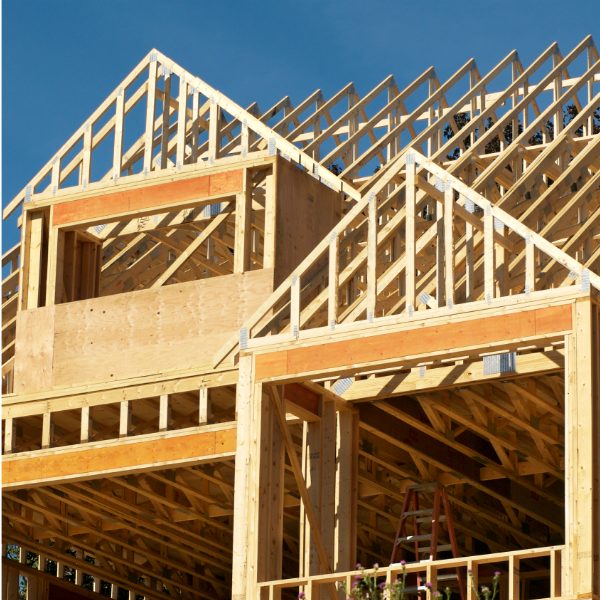
New Construction vs. Resale Homes in Charles Town, WV: How to Decide
Should I Buy New Construction or a Resale Home in Charles Town, WV?
In Charles Town and the surrounding Jefferson County market, new construction homes currently start around $250,000 and average near $418,000—surprisingly close to the resale median of roughly $440,000. The real differences come down to timeline (new construction can take 6–12 months to complete), warranty protection (new homes carry 1-2-10 builder warranties that resale homes don’t), and negotiating dynamics (builder contracts are written to protect the builder, not the buyer). With more than 6 active communities and 3+ builders currently operating in the Charles Town area, buyers have real options—but comparing them requires looking at more than just the base price.
By ERA Liberty Realty | September 16, 2026
If you’ve been shopping for a home in Charles Town or Martinsburg lately, you already know: the decision isn’t just “which house do I like?” It’s “do I buy an existing home or do I walk through a builder model, pick my finishes, and wait?”
Both paths can lead to the right home. But they work very differently — and in this market, right now, the differences matter more than most buyers realize.
Here’s how to compare them honestly.
The Price Gap Is Smaller Than You’d Expect
When buyers imagine new construction, they often assume they’re looking at a premium. That used to be true. Nationally, the price gap between new and resale homes was very real for most of the past decade.
That gap has almost closed.
As of early 2026, the national median price difference between new construction and existing homes is roughly $15,000. In the Charles Town area specifically, new construction communities are pricing townhomes from the high $200s and single-family homes from the mid-$300s to low $400s — right in the same range as Jefferson County’s resale median of approximately $440,000.
That means price alone won’t make this decision for you.
What will shift the math is builder incentives. About 60% of builders nationally are currently offering meaningful deals to close: mortgage rate buydowns as low as the 4s and 5s, closing cost credits, and free upgrade packages. In Charles Town, builders like DRB Homes, Lennar, and Stanley Martin Homes are actively incentivizing buyers. A rate buydown of even half a point can save you tens of thousands over the life of a loan — and that doesn’t show up in the list price comparison.
The takeaway: Don’t compare sticker prices. Compare total cost, including what the builder will do to help you close.
What New Construction Gets You — and What It Doesn’t
The case for buying new in Charles Town is genuinely strong right now.
You get:
- A builder warranty. New homes in West Virginia come with what’s called a 1-2-10 warranty: one year of coverage for workmanship and materials (drywall, paint, trim), two years for mechanical systems (HVAC, plumbing, electrical), and ten years for structural defects. No resale home comes with anything like this.
- Energy efficiency. Modern builds are better insulated, better sealed, and equipped with more efficient systems than most resale homes in the area. Lower utility bills month after month add up.
- Customization. If you’re buying before or during construction, you can often choose flooring, countertops, fixtures, and sometimes floor plan options. You’re not inheriting someone else’s taste.
- No deferred maintenance. Everything is new. You’re not walking into a home wondering when the roof or water heater last had attention.
What new construction doesn’t give you:
- Speed. If a home isn’t already built and move-in-ready, you’re looking at 6–12 months from contract to keys. There are currently 58 move-in-ready new homes available in the Charles Town area, so if timeline is your priority, that inventory exists — but it limits your customization.
- Mature landscaping or established feel. New communities are exactly that — new. You’ll have young trees, ongoing construction in adjacent phases, and neighbors who are also settling in.
- Flexibility on contract terms. Builder contracts are not the same as the standard West Virginia residential purchase contract. They’re drafted by the builder’s attorneys, and they’re written to protect the builder. We’ll come back to this.
What Resale Homes Offer Right Now
Jefferson County’s resale market is moving. Median resale prices in the county have climbed more than 20% year over year — from around $335,000 to approximately $440,000 — and homes are selling in roughly 35 days at about 95–96% of list price.
Berkeley County resale, by comparison, is more affordable with a median around $300,000–$320,000 and homes moving faster (around 21 days on average).
Here’s what the resale side offers that new construction doesn’t:
You can move faster. A standard resale purchase in West Virginia closes in 30–45 days from accepted offer. If you need to be in a home by a specific date — school enrollment, lease end, job start — resale gives you control over timing in a way new construction can’t match.
You’re buying a known commodity. A resale home has a history. A qualified inspector will walk the property before you close and surface issues with the roof, foundation, HVAC, plumbing, and electrical. What you see is what you get.
One important note for WV buyers: the West Virginia Residential Property Disclosure form (https://buyinwv.com/what-sellers-must-disclose-west-virginia-property-disclosure) functions more as a “no representations” document than a detailed disclosure. Sellers typically indicate they have no known material defects — but that’s not the same as a clean bill of health. This is why your home inspection matters even more in West Virginia. Don’t waive it.
You may have more negotiating room. Resale sellers are individuals making financial decisions. There’s often more room for price negotiation, repair credits, or seller concessions on a resale home than you’ll find with a builder.
For a deeper look at how the two counties compare as markets overall, our post on Jefferson County vs. Berkeley County, WV breaks down the tradeoffs in detail.
The Negotiation Reality: Builder vs. Resale Seller
This is where a lot of buyers get caught off guard.
When you walk into a builder’s model home, the sales rep in that office works for the builder — not for you. They’re friendly. They’re knowledgeable. And their job is to represent the builder’s interests.
Builder purchase contracts are typically 20–40 pages of builder-protective language. They dictate your closing timeline on the builder’s schedule, limit your ability to walk away, and contain clauses around price escalation, change orders, and warranty claims that can be hard to parse without help.
In West Virginia, real estate closings are handled by an attorney. This is actually one of the strongest protections buyers here have. But an attorney at closing reviews the transaction — they don’t review the contract before you sign it. That’s where having your own agent and, in many cases, your own real estate attorney reviewing the builder agreement matters.
With a resale transaction, you’re working with the standard West Virginia residential purchase contract. It’s a more balanced document, and your agent negotiates on your behalf from the moment you make an offer.
One more thing on new construction: your agent’s representation costs you nothing extra. Builders factor buyer agent commissions into their business model. Showing up unrepresented doesn’t save you money — it just means you have one fewer advocate at the table.
For a detailed breakdown of what you’ll pay to close in WV, see our guide to buyer closing costs in West Virginia.
How to Actually Decide
A few questions that tend to cut through the noise:
How long can you wait? If you need to be in a home within 60 days, your options in new construction are limited to move-in-ready inventory. If you have 9–12 months of flexibility, building has real appeal.
How important is the warranty to you? If the idea of an unexpected $8,000 HVAC replacement in year two makes you anxious, a 1-2-10 builder warranty is meaningful peace of mind. If you’re comfortable with a strong inspection and a repair reserve, resale is fine.
What’s your budget ceiling? Builder incentives can be significant, but they’re often structured to keep your payment manageable rather than lower the actual purchase price. Make sure your agent and lender run the full comparison — not just the monthly payment.
What do you value in a neighborhood? New communities in Charles Town are well-designed and growing fast. But if you want mature landscaping, walking distance to amenities, or an established feel, existing neighborhoods may be a better fit.
There’s no universal right answer here. The right home is the one that fits your timeline, budget, and priorities — and in a market with over 100 active new construction communities and a competitive resale inventory, you genuinely have options worth comparing carefully.
Frequently Asked Questions
Are new construction homes more expensive than resale in Charles Town, WV?
Not by much, in today’s market. New construction in the Charles Town area averages around $418,000, while Jefferson County’s resale median sits near $440,000. The real cost comparison should factor in builder incentives — rate buydowns, closing cost credits, and upgrade packages — which can significantly change the total picture in favor of new construction depending on the builder and community.
Do builders in West Virginia require an attorney at closing?
West Virginia is an attorney-closing state, which means all real estate closings — including new construction — are handled by a licensed real estate attorney. The builder will typically designate their preferred closing attorney, but buyers have the right to have their own attorney review the builder contract before signing. Given how builder-protective most new construction contracts are, having independent legal review is strongly recommended.
Can I negotiate with a builder in Charles Town, WV?
Yes — but it works differently than negotiating with a resale seller. Most builders won’t move much on base price, but they will negotiate on incentives: mortgage rate buydowns, closing cost credits, free upgrades, and included options. Lot premiums, flex cash, and design center allowances are often the levers that move. Your buyer’s agent, who represents you at no additional cost, knows how to push on these.
What is a 1-2-10 builder warranty and does it apply in WV?
The 1-2-10 warranty is the industry standard for new home construction: one year of coverage for workmanship and materials, two years for mechanical systems (HVAC, plumbing, electrical), and ten years for structural defects. West Virginia does not mandate this warranty by law, but most major builders operating in Charles Town and Martinsburg — DRB Homes, Lennar, Ryan Homes, Stanley Martin — offer it as a standard part of their purchase. Confirm the specific warranty terms before you sign.
How long does it take to buy a new construction home in Charles Town, WV?
It depends on the home’s status. Move-in-ready new homes close in roughly 30–60 days, similar to resale. A home currently under construction typically runs 30–90 days from contract. A to-be-built home can take 6–12 months from contract to closing. With 223 move-in-ready new homes currently available in the Charles Town area, quick-close options exist — but they limit your customization choices.
Whether you’re weighing a DRB townhome against a resale rancher in Ranson, or comparing a Lennar single-family to an older colonial in Charles Town, the math and the tradeoffs deserve a real conversation. Reach out to ERA Liberty Realty today and let’s talk through what the market looks like for you right now.
About ERA Liberty Realty
ERA Liberty Realty is a local real estate staple in Berkeley and Jefferson Counties of West Virginia. Servicing the Martinsburg, Charles Town, Harpers Ferry, Shepherdstown, and Inwood markets, ERA Liberty is here to help you MOVE UP to your next level of homeownership.


