

 Facebook
 X
X
 Pinterest
 Copy Link
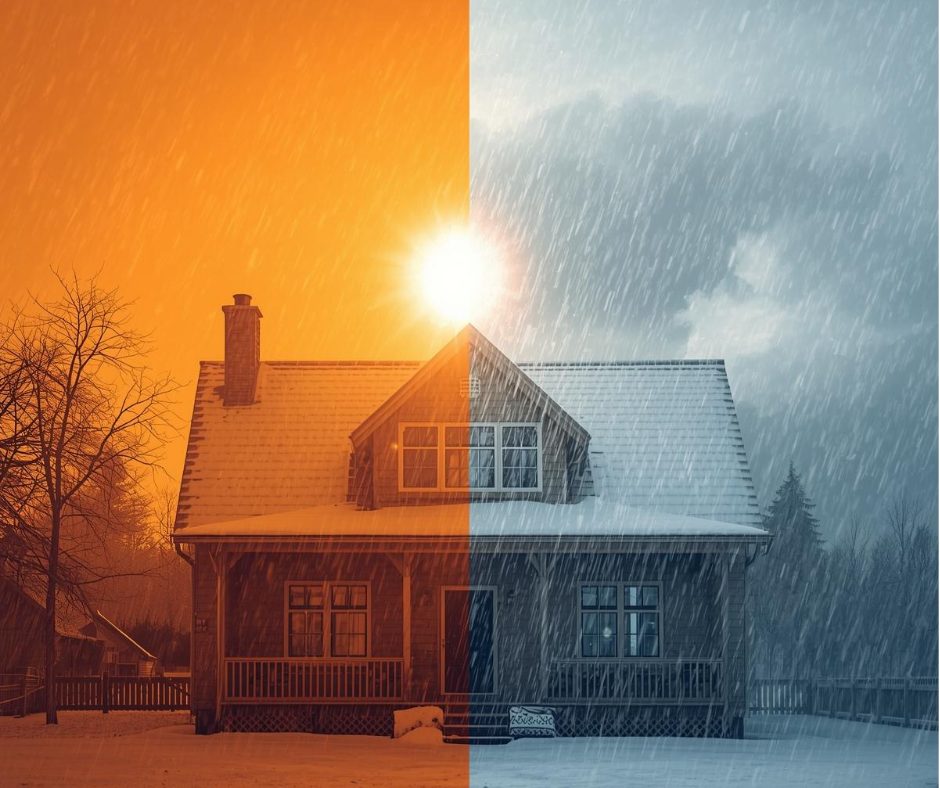
Buying A Climate-Resilient Home in WV
Preparing for the Future: Why Climate-Resilient Homes in WV Matter
Buying a climate-resilient home should make you feel safe. In today’s changing weather, both matter more than ever. Storms are stronger. Rain is heavier. Heat lasts longer. Because of this, buyers moving to West Virginia are paying closer attention to climate-resilient homes.
A climate-ready home protects your family. It also protects your investment. That is why more buyers are asking one key question. Can this home handle what the future brings?
Understanding Local Risks in the Eastern Panhandle
Every area faces different weather risks. Here in the Eastern Panhandle, those risks can include flooding, strong winds, heavy rain, some snow, and cold. Before buying a home, it is smart to look at flood maps and local weather history.
Some homes sit higher than others leading to potentially less of a standing water problem. Some have are lower and rest right on the edge of a flood plain. These details matter and may need specific types of insurance to cover your new home. Homes built for sustainability are often given a special certificate and they may also qualify for lower insurance rates.
Key Features of Climate-Resilient Homes
A resilient home is built to last. It is built to resist damage. It is built to recover faster after storms. Many strong features stand out to today’s buyers.
Some homes have impact-resistant roofs and windows. These help protect against wind and debris. Some have sealed foundations and proper grading. This helps keep water out. Others have sump pumps, French drains, and strong gutter systems.
Backup power is another big plus. This can include a generator or solar panels with battery storage. Energy-efficient insulation also matters. It helps keep the home cooler in summer and warmer in winter.
Even simple upgrades help like waterproofing and sealed crawlspaces. Small features can add up to big protection that can save you time and money later.
Climate Resilience Adds Value
Climate-ready homes do more than protect—they hold and often increase their value over time. For home buyers in the Eastern Panhandle of West Virginia, investing in resilience is a proactive financial strategy that provides a substantial return on investment (ROI).
1. Enhanced Marketability and Buyer Demand
Climate-resilient properties are becoming the next status symbol for forward-thinking buyers, which directly translates to a more stable investment. When new residence are buying a climate-resilient home in West Virginia, here are some of the things that cross their mind about their future resale.
-
Attracts a Wider Pool of Buyers: Properties that have documented resilience features (like reinforced roofs or flood-proof basements) are more desirable, ensuring higher demand when it’s time to sell. This is especially true as potential buyers are increasingly reviewing climate risk exposure during their decision-making process.
-
Superior Value Retention: Homes in resilient areas are more likely to retain or increase their value over the long term, whereas properties in higher-risk areas can see values decline following major weather events.
-
Green Certifications as a Selling Point: Homes with verifiable standards like Energy Star or LEED certifications provide transparent evidence of the home’s performance and resilience, adding significant credibility and appeal to future buyers.
2. Direct Financial Savings and ROI
The features that make a home resilient often provide immediate and ongoing financial benefits that offset the initial cost.
-
Insurance Premium Reductions: Many insurance companies offer substantial discounts to homeowners who invest in low-risk features, such as Class 4 impact-resistant shingles. These potential annual savings can significantly offset the higher upfront cost of premium materials.
-
Reduced Repair and Maintenance Costs: Investing $1 in resilience and preparedness can save $6 to $7 in damage and cleanup costs after a disaster. Durable, protective features like advanced insulation and superior water management systems mean fewer costly repairs from extreme weather, extending the overall lifespan of the home.
-
Lower Utility Bills: Resilient designs often include energy-efficient upgrades, such as high-performance windows and better insulation, which drastically reduce energy demands for heating and cooling, providing immediate savings on utility bills.
3. Peace of Mind as an Intangible Asset
Ultimately, the value of resilience is also measured in the security it provides the homeowner, an intangible asset that improves quality of life.
-
Minimizing Displacement and Disruption: A resilient home is less likely to suffer major damage that requires displacement. The ability to quickly recover and remain safe in your home is a major factor in resident confidence and satisfaction.
-
Protecting Personal Wealth: For homeowners, resilience means greater protection against catastrophic financial losses and damage to personal property. This stability is particularly important in regions like West Virginia where weather patterns can be unpredictable.
What Buyers Should Ask: Essential Questions for a Resilient Home
When buying a climate-resilient home in the Eastern Panhandle of West Virginia, you need to look beyond the aesthetics and ask key questions about the home’s resilience features. These questions help protect your investment and ensure long-term peace of mind.
1. Water and Flood Management
-
“Has the home ever flooded, and is it located near a floodplain?”
-
In-Depth: Always verify the home’s location relative to FEMA flood maps. Even minor past flooding can indicate a structural or drainage issue. A “no” answer should be followed up by asking about the property’s elevation relative to surrounding land to gauge potential standing water issues.
-
-
“Is there any standing water left on the property, and what drainage systems are in place?”
-
In-Depth: Check the yard and basement/crawlspace for evidence of poor grading or drainage after rainfall. Ask about specific mitigation features like French drains, robust gutters, or waterproofed crawlspaces. These are critical for homes near water bodies or in high-rain areas like parts of Martinsburg or Charles Town.
-
2. Structural Integrity and Protection
-
“What type of roof and foundation does the home have, and when were they last replaced?”
-
In-Depth: The roof and foundation are the first lines of defense. Ask if the roof materials are impact-resistant (e.g., specific shingles or metal roofing) to withstand high winds prevalent in the region. For the foundation, check for signs of cracking or shifting, and verify any protective measures like foundation sealing.
-
-
“Has it had storm damage before, and what repairs were made?”
-
In-Depth: Previous damage provides insight into the home’s vulnerabilities. Ask for details on the nature of the damage and ensure the repairs used modern, resilient building materials to prevent a recurrence. This is especially relevant if the home is in an older, historic area like Shepherdstown.
-
3. Utility and System Preparedness
-
“Are the HVAC and electrical systems protected, and what is the home’s insulation rating?”
-
In-Depth: Resilient homes protect vital systems. Ask if the HVAC unit is elevated above potential flood levels. Inquire about the presence of a whole-house surge protector to guard sensitive electronics from lightning strikes or grid fluctuations.
-
-
“Is the insulation in good shape (R-value) and is there any backup power?”
-
In-Depth: Good insulation is crucial for “passive survivability,” meaning the home can maintain livable temperatures longer during a power outage. Also, ask specifically about backup power sources. These can include wired generators or a solar-plus-battery-storage system, which is a major value-add for future-focused buyers.
-
A Future-Focused Mindset
A future-focused buyer doesn’t just look for what works now; they invest in what will endure for the next 30 years. This mindset recognizes that a climate-resilient home is an investment in safety, financial stability, and long-term property value.
1. Long-Term Financial Security & Cost Saving
The future-focused buyer is looking for ways to mitigate rising costs associated with climate change.
-
Lower Insurance & Maintenance Costs: Homes with documented resilient features may qualify for lower insurance premiums because they pose less risk of major claims. These features include reinforced roofing or elevated structures. Durable, non-combustible materials like masonry or fiber cement siding also lead to reduced long-term repair and maintenance costs.
-
Reduced Utility Expenses: A resilient home often doubles as a high-efficiency home. Features like enhanced insulation, energy-efficient windows, and passive design strategies. These directly reduce heating and cooling costs, saving money as energy prices rise.
-
Accessing Incentives: Being future-focused means leveraging financial support. Buyers should ask agents about available tax credits, rebates, or low-interest loans for installing features like: solar panels, geothermal systems, or specific weatherization upgrades.
2. Safety: Passive Survivability During Weather Events
A home’s ability to remain livable during a major weather event is a key aspect of a future-focused approach. This is often called passive survivability.
-
Resilience During Outages: A future-ready home has a plan for when the power grid fails. Buyers should look for backup systems such as:
-
Backup Generators or Solar-plus-Storage (solar panels with a battery) for continued power.
-
Sump Pumps connected to a battery backup to prevent basement flooding during a power-outage storm.
-
-
Natural Temperature Regulation (Passive Design): Features that regulate temperature without power. These are vital as extreme heat events become more common. This includes high-performance windows, strategic home orientation for optimal sunlight and airflow, and robust insulation.
3. Preserving & Growing Your Home’s Long-Term Value
A resilient home retains its value better over time, especially in areas facing increased climate risk.
-
Minimizing Climate Impact: Builders are addressing risks like flooding and high winds proactively with features such as: reinforced framing, elevated foundations, or improved drainage systems. The home’s value is protected from the catastrophic losses that can devalue surrounding properties.
-
Green Certifications: Buyers should look for certifications like Energy Star or LEED. These third-party verifications provide transparency on the home’s environmental performance and resilience features. This is increasingly attractive to future buyers and investors.
If you enjoyed learning about Buying a Climate-Resilient Home in WV, make sure to check out ERA Liberty’s other blog articles for more real estate, local eats, and community happenings.
For all your home buying or selling needs, ERA Liberty Realty is here to help you find your next property in WV, MD, or VA.


